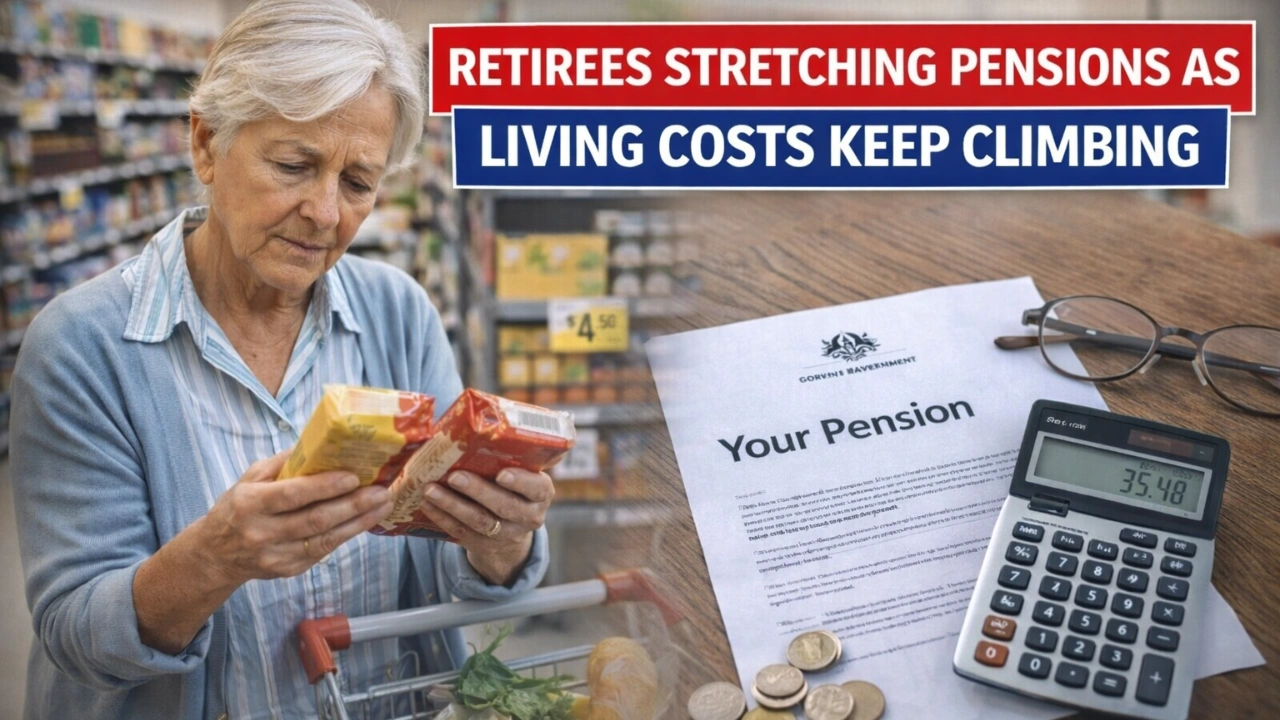
Across Australia, seniors are adjusting spending habits in 2026 as essential expenses remain elevated, even with inflation easing from earlier peaks. While the Age Pension continues to rise through regular indexation, many retirees say the increases are not fully matching the pace of everyday costs.
Although headline inflation has stabilised within the Reserve Bank’s 2–3% target band, living expenses tied to housing, utilities, groceries, and insurance continue to strain fixed incomes.
Here’s what’s happening — and why many older Australians feel their retirement income is under pressure.

What’s Driving the Rising Costs?
Several core household expenses are increasing at rates that retirees feel most sharply.
Key pressures include:
- Rental increases, particularly in major cities and regional growth corridors
- Home and car insurance premiums, rising due to climate-related risk
- Electricity and gas bills, even after rebates
- Supermarket prices, especially fresh produce and meat
- Medical and specialist fees, often partially out-of-pocket
Retirees typically spend a larger share of their income on these essentials compared to working households, meaning they feel cost increases more directly.

How the Age Pension Stands in 2026
The full Age Pension for singles is just over $1,100 per fortnight including supplements, while couples receive slightly above $1,700 combined per fortnight.
Payments are adjusted twice yearly and benchmarked against:
- Consumer Price Index (CPI)
- Pensioner and Beneficiary Living Cost Index (PBLCI)
- Male Total Average Weekly Earnings
This structure protects pensioners from sharp erosion in theory. However, many seniors argue that their personal spending patterns do not match CPI averages.

Where Retirees Are Cutting Back
Financial counsellors report that retirees are making practical lifestyle adjustments to stay within budget.
Common changes include:
- Reducing heating and cooling usage
- Shopping across multiple supermarkets for discounts
- Cancelling discretionary subscriptions
- Delaying dental and elective medical treatments
- Limiting travel and social outings
For many households, the pension is allocated first to essential bills, leaving limited flexibility for discretionary spending.
Comparison Table: Pension Growth vs Key Costs
| Category | Estimated Annual Cost Increase | Pension Offset Effect |
|---|---|---|
| Rent | 5–10% in some areas | Partial |
| Electricity | 5–8% average | Partial (rebates apply) |
| Groceries | 4–6% | Limited |
| Insurance | 10%+ in some regions | Often not covered |
| Health Expenses | Variable | Limited |
Actual impacts vary by household.
Why Indexation Doesn’t Always Feel Sufficient
Economists note that while pension indexation prevents income from falling behind inflation overall, retirees face two structural challenges:
- Higher spending on essentials that rise faster than average inflation.
- Limited ability to supplement income, unlike working Australians who may negotiate wages or increase hours.
Additionally, renters on the Age Pension are particularly exposed to market-driven rental increases, even with Commonwealth Rent Assistance.
Broader Economic Context
Australia’s economic outlook in 2026 suggests moderate wage growth and stabilised inflation. However:
- Housing shortages continue in major cities.
- Insurance markets remain volatile.
- Healthcare demand is rising due to population ageing.
These broader pressures mean fixed-income retirees remain sensitive to even small price increases.
Support Measures Available
Retirees may be eligible for additional assistance beyond the Age Pension, including:

- Commonwealth Rent Assistance
- State energy rebates
- Pensioner Concession Card discounts
- Reduced PBS medicine costs
- Council rate concessions
- Public transport discounts
Experts recommend reviewing entitlements annually to ensure no available support is missed.
Practical Steps for Retirees
To manage ongoing cost pressures:
- Compare insurance policies annually.
- Review electricity and gas plans.
- Monitor pension statements after indexation changes.
- Seek free financial counselling if experiencing hardship.
- Consider downsizing if housing costs are unsustainable.
Small savings across multiple bills can significantly improve annual budgets.

Q&A: Retirees and Rising Living Costs
1. Is the Age Pension increasing in 2026?
Yes, through scheduled March and September indexation.
2. Why do retirees still feel financial pressure?
Because essentials like rent and insurance may rise faster than pension increases.
3. Are renters more affected than homeowners?
Generally yes, due to exposure to rising rental markets.

4. Can retirees work part-time?
Yes, within income test thresholds.
5. What is the PBLCI?
A cost-of-living index tailored to pensioners.
6. Does private health insurance increase pressure?
Premium rises can add strain.
7. Are grocery prices still rising?
Yes, though at a slower pace than previous years.
8. Can retirees appeal pension assessments?
Yes, through Services Australia review processes.
9. Are concession benefits automatic?
Most are linked to pension eligibility.
10. What is Commonwealth Rent Assistance?
A supplement for eligible pensioners who rent.
11. Are insurance premiums rising nationwide?
Many regions have seen increases.
12. Do couples receive less per person than singles?
Yes, combined rates are lower per individual.
13. Is inflation expected to fall further?
Forecasts suggest stability rather than sharp declines.
14. Can retirees access hardship support?
Yes, through government and community services.
15. Will additional cost-of-living relief be introduced?
Future measures depend on federal and state budget decisions.








Leave a Comment